Dentistry
A dear customer comes by himself, but gets lost because of a bad first touch
Ready to get started?
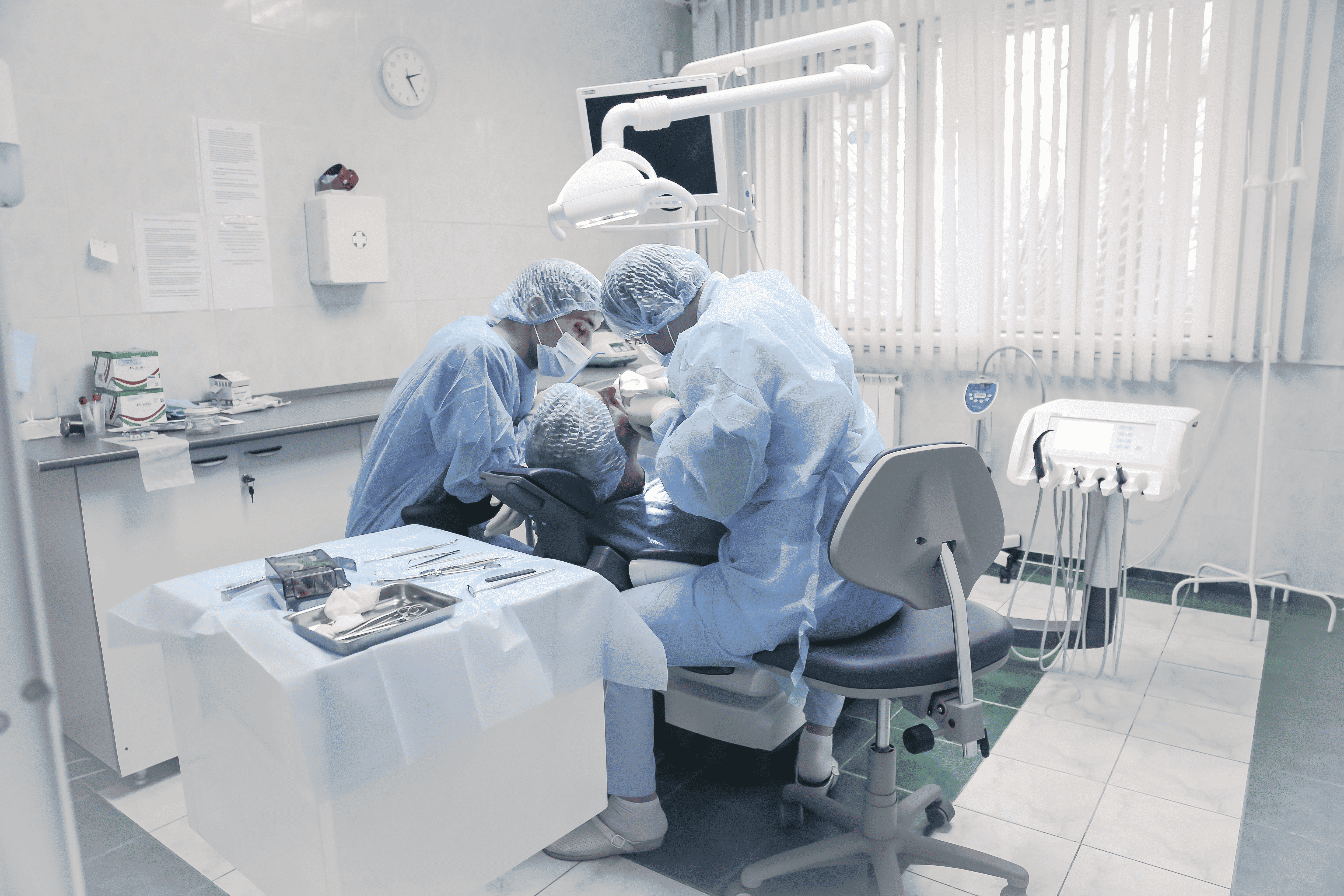
The clinic receives incoming applications from the website. The primary processing is done by administrators. Their main task is to record patients, not consult. The dialogue with the application, as a rule, was limited to specifying the time of admission. If the patient had doubts, the conversation ended with the phrase "you can think about it." There was no further communication. A significant part of the patients did not return.
Session reminders were sent automatically from the CRM and were perceived as spam. There was no personalization. Repeat visits were often disrupted. The clinic lost patients with a high average check at the stage of first contact and subsequent follow-up. To change the process, the initial contact with all incoming requests was transferred to the robot. The robot was used as a primary consultation tool. In the dialogue, he clarified the patient's problem, removed basic concerns, and explained the clinic's approaches and treatment format. The recording was offered after the formation of understanding and trust. If the patient did not make a decision immediately, communication did not stop. The robot started a chain of subsequent taps with information about treatment methods, answers to typical fears, and examples of clinical cases. Session reminders have become personalized and linked to the context of communication, rather than formal notifications from CRM.
After the implementation, the conversion rate from the application to the initial admission increased by about 50%. The number of patients who did not return for a follow-up visit decreased by about 60%. Administrators were removed from the role of primary consultants and focused on patient care within the clinic.
The robot is used for initial consultation, fall-ups, and patient support prior to the visit.